Zenith: A Font That Elevates Your Creative Strategy
When it comes to making a visual impact, especially in creative fields like branding, marketing, or personal artistry, the right tools can make all the difference. Zenith is more than just a font—it’s a design asset that blends functionality with flair, making it a strategic choice for professionals and hobbyists alike who want to create bold, expressive, and memorable visuals.
The Strategic Value of Zenith in Creative Work
In today's competitive landscape, differentiation is key. Whether you're launching a new product, building your brand identity, or showcasing your artistic talent, every detail contributes to how your work is perceived. Zenith offers a unique edge by combining graffiti-style aesthetics with practical usability, allowing creators to communicate energy and creativity without sacrificing clarity or professionalism.
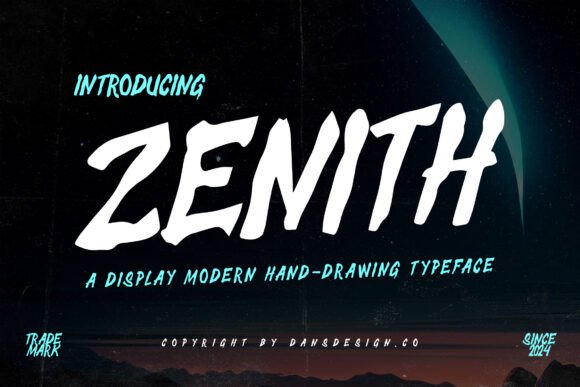
This font is particularly useful for those looking to stand out in digital and print media. Its smooth tip and dynamic structure give it an urban vibe that resonates with younger audiences while maintaining enough sophistication to appeal to a broader demographic. The bold lines and bright ink ensure visibility, even at smaller sizes or from a distance—important considerations when designing for events, packaging, social media, or signage.
Why Choose Zenith Over Other Fonts?
- High Visibility: The contrast between thick and thin strokes helps text catch attention quickly, which is essential in environments where viewers are scanning for information.
- Versatility: While rooted in graffiti culture, Zenith adapts well to various styles and applications—from editorial illustrations to logo designs.
- Beginner-Friendly: Its structured yet expressive form makes it accessible to newcomers, helping them achieve professional results faster.
- Consistency in Creativity: Unlike hand-drawn fonts that vary widely in execution, Zenith maintains uniformity across different platforms and mediums, supporting cohesive branding efforts.
How Thoughtful Use of Zenith Can Support Business and Design Goals
Fonts may seem like a small detail, but they play a critical role in shaping perception and reinforcing messaging. Zenith can be strategically used to enhance several aspects of your creative or business strategy:
1. Brand Positioning and Identity
For brands aiming to project youthfulness, innovation, or a streetwise image, Zenith provides an authentic visual language. It’s ideal for lifestyle brands, urban fashion labels, or startups targeting a millennial or Gen Z audience. Using this font consistently across logos, packaging, and promotional materials can help establish a strong, recognizable identity.
Example: A skateboard company might use Zenith in its tagline to reflect the rebellious spirit of the sport while ensuring readability on posters and apparel tags.
2. Communication and Messaging
Visual communication is about more than just conveying words—it’s about tone, emotion, and intent. Zenith’s edgy yet clean appearance can support messages that aim to inspire action, provoke thought, or highlight individuality. When used intentionally, it can help align typography with the emotional resonance of your content.
Tip: Pair Zenith with minimalist layouts to let the font speak for itself, or combine it with more traditional typefaces to add contrast and depth to your message hierarchy.
3. Creativity and Productivity for Designers
Creative professionals often juggle multiple projects and deadlines. Choosing a font that balances style with efficiency can streamline their workflow. Zenith’s graffiti-inspired design allows for quick customization and layering, enabling designers to produce high-impact visuals without spending excessive time tweaking each character.
Moreover, its bold nature means less need for additional effects or enhancements, reducing post-production effort. This efficiency can lead to faster turnaround times and better focus on the core message of the design.
4. Learning and Skill Development
For educators and mentors in design or illustration, Zenith serves as an excellent teaching tool. It introduces students to the world of stylized lettering without overwhelming them with complexity. The font’s balance between creativity and structure supports skill development in areas such as spacing, rhythm, and visual storytelling.
Practical Tip: Encourage learners to experiment with Zenith in both digital and analog formats. Try tracing letters with markers or using it in vector software to understand how each stroke contributes to the overall look.
Use Cases Where Zenith Shines
Understanding when and where to apply Zenith ensures that it adds value rather than becoming a distraction. Here are some scenarios where this font can elevate your output:
- Event Signage and Banners: Zenith’s high contrast and legibility make it perfect for event posters, banners, and large-format displays. It commands attention and conveys excitement.
- Social Media Graphics: In a sea of content, standing out matters. Use Zenith in headlines or call-to-action buttons to make your posts pop visually and emotionally.
- Merchandise and Packaging: For products with a distinct personality—like limited-edition items, custom apparel, or artisanal goods—Zenith can reinforce the uniqueness of the offering.
- Editorial and Print Media: Magazines, zines, and printed advertisements can benefit from Zenith’s expressive style, especially when targeting niche markets or subcultures.
Strategic Planning Tips for Effective Zenith Use
- Define the Purpose: Before applying Zenith, ask what you’re trying to achieve. Is it to grab attention? To convey a specific mood? Knowing the goal will guide your typographic choices.
- Test in Context: Always preview how Zenith looks within the full layout. Test it on mockups of real-world applications (e.g., a billboard or T-shirt) to see if it holds up under varying conditions.
- Balance with Simplicity: Don’t overdo it. Too many stylized elements can dilute the message. Use Zenith sparingly in key areas to maintain visual harmony.
- Consider Accessibility: Ensure that the font remains readable for all users. Avoid using it in small sizes or low-contrast settings where legibility could suffer.
Risks of Using Zenith Without a Clear Vision
While Zenith is powerful, it’s not a one-size-fits-all solution. Using it randomly or without considering context can lead to negative outcomes. For instance, in formal or corporate settings, this font might clash with the intended tone and undermine professionalism.
Another risk is overuse. If applied too frequently, Zenith can lose its impact and become visually fatiguing. Users may also find themselves relying on the font to compensate for weak design concepts rather than strengthening the underlying message.
To avoid these pitfalls, always anchor your font choices in a clear understanding of your audience and the environment in which the design will appear. Ask yourself whether Zenith enhances or distracts from your main objective.
Decision-Making Guidance for Zenith Integration
Integrating Zenith into your creative process requires intentionality. Here’s how to approach it strategically:
- Start with Research: Study similar brands or campaigns to see how they’ve used graffiti-style fonts effectively. What worked? What didn’t?
- Prototype and Iterate: Create multiple versions of your design using Zenith and test them with real users. Gather feedback on readability, aesthetics, and emotional impact.
- Align with Visual Hierarchy: Use Zenith for emphasis, not everything. Let it serve as the headline or title, and pair it with a complementary body font for consistency.
- Stay Current: Keep an eye on trends in typography and graphic design. Zenith may evolve in popularity, and knowing when to pivot or stick with it is part of strategic thinking.
Long-Term Value and Positioning
A font like Zenith isn't just a stylistic choice—it's a long-term investment in your creative toolkit. When used wisely, it can become synonymous with your brand’s voice or your portfolio’s aesthetic. However, to sustain that value, it must be integrated into a broader design philosophy that prioritizes purpose over trendiness.
Over time, Zenith can help position you as a creator who understands how to blend raw energy with thoughtful execution. Whether you're an entrepreneur building a startup’s visual identity or a designer crafting client presentations, this font can become a signature element of your work.
Observation: Successful creatives don’t rely on one tool alone. Zenith should be part of a diverse typographic arsenal, used selectively to match the needs of each project.
Building a Typographic Strategy Around Zenith
Creating a lasting impression through typography involves more than picking a cool font. It requires a strategy that considers:
- Brand Voice: Does Zenith reflect the values and personality of your brand? If your brand is playful, experimental, or community-driven, it likely does.
- Medium and Format: How will the font be used? Will it appear in print, digital ads, or video overlays? Each format has different requirements for legibility and scale.
- Color and Contrast: Bright ink is a feature of Zenith, but color combinations matter. Pair it with dark backgrounds for maximum impact, or use light tones for subtle highlights.
- Customer Experience: Will your audience engage with the design because of Zenith, or will they be confused by it? Test early and often to optimize for clarity and appeal.
Conclusion: Use Zenith with Purpose
Zenith is a versatile and expressive font that bridges the gap between street art and professional design. Its ability to capture attention while remaining functional makes it a valuable resource for anyone involved in visual storytelling. But like any tool, its success depends on how it’s used.
By integrating Zenith into a well-thought-out design strategy, you can leverage its strengths to enhance your message, strengthen your brand, and connect with your audience in meaningful ways. Avoid treating it as a novelty; instead, treat it as a component of a larger plan that includes goals, research, and testing.
Remember, the best strategies are built on intention, not impulse. Whether you're a marketer, educator, artist, or small business owner, Zenith can help you express your vision—but only if you know when, where, and how to use it.