Oldman Font: A Vintage Style for Modern Design Projects
Vintage aesthetics have made a powerful comeback in the design world, with many creators seeking fonts that evoke nostalgia while maintaining visual clarity and impact. Among the latest additions to this growing trend is the Oldman font, a typeface crafted specifically to capture the essence of vintage design with modern precision. Whether you're working on branding, print materials, or digital content, Oldman offers a unique blend of retro charm and professional quality.
What Makes Oldman Unique?
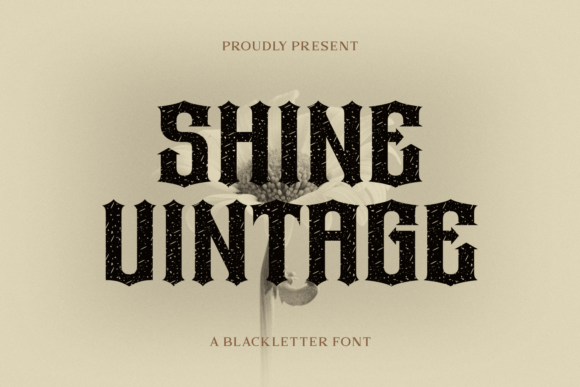
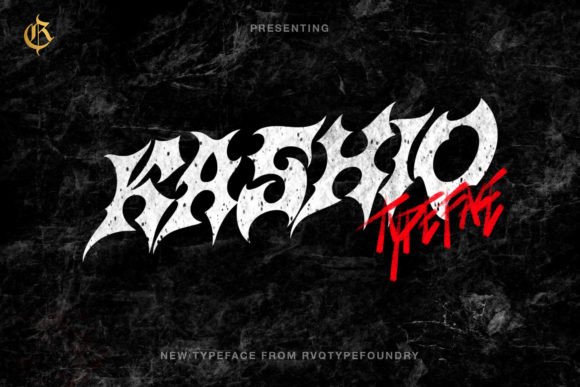
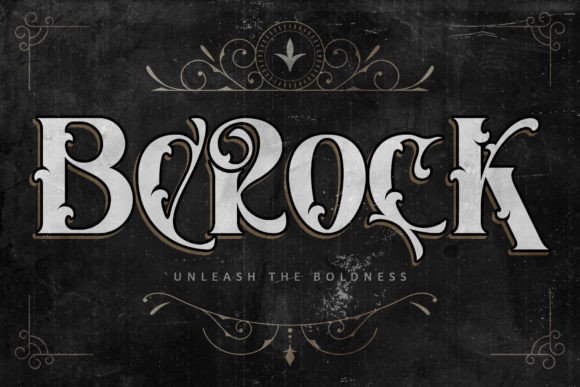
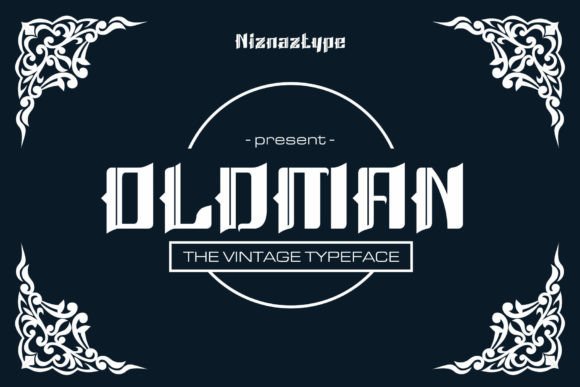
The Oldman font stands out for its ability to balance historical inspiration with contemporary usability. Its letterforms are influenced by classic gothic styles but refined to suit today’s design standards. The uppercase characters are bold and striking, perfect for headlines and logos, while the lowercase letters maintain readability without sacrificing character. This duality makes Oldman suitable for both artistic expression and functional communication.
Each glyph in Oldman has been carefully designed to reflect a sense of age and authenticity. The subtle irregularities in stroke weight and spacing give it an organic feel, reminiscent of old newspaper headlines or hand-painted signs from the early 20th century. These characteristics make it ideal for projects where a touch of history is desired—such as music posters, fashion branding, or themed event promotions.
Key Features of the Oldman Font
- Uppercase Letters: The uppercase version of Oldman is especially strong, making it great for eye-catching headlines, titles, and signage.
- Lowercase Letters: Though more subdued than the uppercase, the lowercase retains the same vintage flair and works well in body text when used sparingly.
- Numeral Support: Oldman includes numerals that match its overall aesthetic, allowing designers to use dates, pricing, or other numbers seamlessly within vintage-themed layouts.
- Punctuation: Simple yet elegant punctuation marks ensure that your designs remain clean and legible, even when using stylized typography.
- Multiple Themes: The font is versatile enough to fit into a variety of themes like gothic, retro, creepy, oldies, and music. It adapts well to different color palettes and background textures.
Why Choose Oldman for Your Project?
Designers often look for fonts that can serve multiple purposes without compromising style. With Oldman, you get a typeface that’s rich in character but still practical. Here's why it might be the right choice for your next project:
- Vintage Appeal: If your goal is to create something that feels timeless, Oldman delivers. Its design elements harken back to the golden age of typographic artistry.
- High-Quality Construction: Unlike many free vintage-style fonts available online, Oldman was created with attention to detail and high-resolution rendering in mind. It looks just as good at large sizes as it does in small details.
- Creative Flexibility: You can pair Oldman with modern sans-serif fonts to create contrast or use it alone for a cohesive, nostalgic look. Its adaptability opens up new creative possibilities.
- Clear Licensing: Designed for professionals, Oldman ensures that users can apply it across various media without worrying about unclear usage rights.
Industries That Benefit from Using Oldman
While the Oldman font is visually striking, it’s also highly functional across several industries. Below are some examples of how it can enhance different types of work:
Fashion and Apparel
In the world of fashion, especially when designing vintage-inspired T-shirts or brand names for retro clothing lines, typography plays a key role. The Oldman font can be used to create bold, attention-grabbing designs that resonate with audiences looking for a throwback vibe. Its gothic influence gives it a slightly edgy feel, which is popular in streetwear and indie fashion circles.
Music and Entertainment
Musicians, bands, and event organizers often use fonts to set the tone of their promotional materials. Oldman is particularly effective for rock, punk, jazz, and blues genres, where a gritty, analog look is appreciated. Use it for album covers, concert posters, or vinyl records to instantly add a layer of authenticity to your visuals.
Graphic Design and Branding
For graphic designers working on branding projects, Oldman provides a fresh take on vintage typography. It’s useful for creating logos for cafés, bookstores, or artisanal shops that want to communicate tradition and craftsmanship. The font can also be paired with illustrations or photography to reinforce a cohesive visual identity.
Print Media and Packaging
Oldman is not limited to digital use. Print designers will find it equally valuable for packaging, labels, and editorial design. Think of it for wine bottle labels, craft beer cans, or vintage-style magazines. Its readability and texture-rich appearance help printed pieces stand out on shelves or in physical spaces.
Practical Uses of Oldman in Real-World Projects
Here are some real-life scenarios where the Oldman font could shine:
- T-Shirt Designs: Use Oldman for screen-printed T-shirts with a vintage or horror theme. The font adds depth and visual interest, making the garment more appealing to niche audiences.
- Headlines and Slogans: Whether it’s a website banner or a movie poster, Oldman can elevate the message with its dramatic presence. It’s especially effective for headlines that need to command attention.
- Posters and Flyers: For events like live music shows, film screenings, or pop-up exhibitions, Oldman helps create a compelling visual hierarchy that draws people in.
- Logos and Branding: Many small businesses thrive on personality-driven branding. Oldman can help build a memorable brand identity for shops, bars, or boutiques with a retro twist.
- Product Titles: In e-commerce or product packaging, the font can be used for titles of vintage-inspired items such as records, books, or home décor.
Pairing Oldman with Other Fonts
While Oldman is powerful on its own, pairing it with complementary fonts can enhance its effectiveness. Here are a few suggestions:
- Serif Fonts: Pair Oldman with another serif font to maintain a consistent vintage look throughout your design.
- Modern Sans-Serifs: For a stylish contrast, try combining Oldman with a clean, modern sans-serif. This creates a dynamic visual balance, especially in web design or app interfaces.
- Script Fonts: When used alongside a decorative script font, Oldman can ground the design and provide structure without losing its vintage appeal.
Considerations Before Choosing Oldman
Despite its strengths, there are some factors to consider before deciding to use Oldman in your project:
Readability: While Oldman is highly stylized, it may not be the best choice for long paragraphs or dense text. It’s most effective in short bursts—like headlines, titles, or call-to-action phrases.
Context Matters: The font’s gothic and vintage qualities may not align with every project. If your audience prefers minimalism or modernity, Oldman might not be the best fit. Always consider the message and tone you want to convey.
Color and Background: Because of its textured appearance, Oldman can sometimes clash with overly bright or busy backgrounds. To highlight its features, use muted tones or distressed paper textures for maximum effect.
Where to Download and How to Use Oldman
If you’re ready to bring a touch of vintage elegance to your designs, you’ll want to download the Oldman font. Look for trusted font platforms or the designer’s official site to access the full package. Once installed, you can begin experimenting with its variations in your favorite design software, such as Adobe Illustrator, Photoshop, or Canva.
Using Oldman effectively requires a bit of creativity. Try layering it over grainy textures or applying subtle drop shadows to mimic aged printing techniques. Also, don’t hesitate to use it in unexpected ways—like for button labels or navigation menus in a retro-themed website layout.
Oldman in Web Design
In the realm of web design, choosing the right font can significantly affect user experience and visual storytelling. Oldman, while primarily a display font, can be used creatively on websites to emphasize specific sections. It’s commonly seen in headers, hero banners, and section dividers for sites that aim to deliver a nostalgic or thematic experience.
To use Oldman on the web, ensure it’s properly embedded via WOFF or TTF formats. Consider using it in conjunction with CSS to adjust spacing, weight, or effects like tracking and leading. Keep accessibility in mind—while the font is beautiful, it should never hinder the user’s ability to read important information.
Creating a Cohesive Vintage Theme
When using Oldman in a larger design context, think about how it fits with the rest of your visual elements. Here are a few tips for maintaining a cohesive vintage theme:
- Use warm color schemes like sepia, mustard yellow, or deep burgundy to complement the font.
- Combine it with old-fashioned icons, hand-drawn illustrations, or vintage photographs.
- Experiment with overlays and filters to simulate aged paper or faded ink.
- Don’t overdo it—vintage design is all about subtlety and balance. Too much can come off as cluttered or gimmicky.
Oldman vs. Similar Vintage Fonts
There are many fonts on the market that attempt to replicate the vintage look. However, Oldman distinguishes itself through its thoughtful construction and broad character set. Compared to older fonts like Playfair Display or Rockwell, Oldman offers a more varied emotional palette—from spooky and mysterious to bold and confident.
Fonts like Bauhaus 93 or Helvetica Neue may offer better readability for extended text, but they lack the distinct character that Oldman brings. On the flip side, fonts like Ghostbusters or Kranky are too whimsical or inconsistent for professional settings. Oldman strikes the perfect middle ground between expressive and usable.
Getting Started with Oldman
Ready to start using Oldman? Begin by downloading the font and installing it on your system. Open your preferred design tool and start testing it with different layouts and compositions. Try adjusting the size, spacing, and color until it feels right for your project.
As you experiment, keep in mind the following recommendations:
- Use it for headings, subheadings, and short quotes rather than long blocks of text.
- Limit its use to one or two sections per page to avoid overwhelming the viewer.
- Test it on different devices and screens to ensure it maintains its visual integrity across platforms.
Final Thoughts on Oldman Font
The Oldman font is more than just a stylistic choice—it’s a tool that can elevate your design work with a sense of history and character. Whether you're crafting a brand identity, designing a music festival poster, or developing a retro-themed website, Oldman brings a level of sophistication that’s hard to find elsewhere.
Its versatility, attention to detail, and broad range of applications make it a valuable addition to any designer’s toolkit. By understanding its strengths and limitations, you can harness its potential to create impactful, memorable designs that stand out in a crowded market.