Fallen Angel: A Font That Embodies Power and Mystery
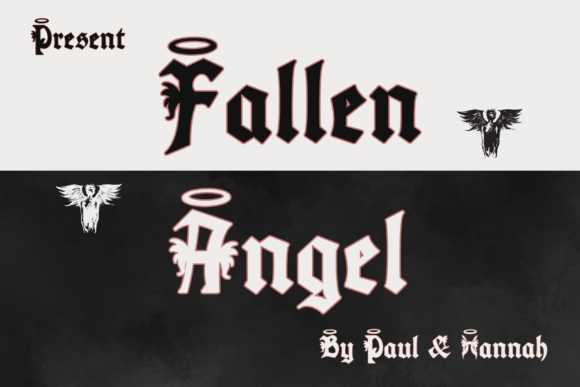
The Fallen Angel font is a striking typographic design that reimagines the traditional symbolism of angels through a darker, more intense lens. While many fonts aim to evoke grace or serenity, Fallen Angel takes a different route by infusing its characters with strength, fierceness, and an air of rebellion. The inspiration for this font comes from the circle on the head — a symbol commonly associated with angelic beings — but it has been transformed into something more formidable. This evolution reflects not only a shift in visual aesthetics but also in the cultural and emotional resonance people seek in their digital content today.
From Grace to Strength: The Concept Behind Fallen Angel
Typically, angels are depicted as benevolent, ethereal figures. But the Fallen Angel font explores a different narrative — one where these celestial beings have turned against their original purpose. The designers behind this font wanted to capture the duality of such a concept: beauty laced with danger, purity tinged with darkness. By starting with the classic angel motif and then adding sharp edges, bold strokes, and dramatic spacing, they've created a typeface that's both visually compelling and emotionally evocative.
This transformation isn't just artistic flair; it’s a response to modern audiences who are drawn to themes of rebellion, power, and individuality. Whether used in branding, web design, or print media, the Fallen Angel font can add depth and character to any message. It's particularly effective for projects related to fantasy, gothic art, mythology, or even high-impact marketing campaigns that want to stand out.
Design Elements That Define Fallen Angel
- Bold Strokes: Each letter in the Fallen Angel font carries weight, both literally and metaphorically. The thick lines suggest strength and defiance, making it ideal for headlines or titles that demand attention.
- Angular Geometry: Unlike softer, rounded typefaces, Fallen Angel uses angular shapes to create a sense of tension and movement. This gives the font a dynamic feel that mirrors the energy of a fallen being.
- Dramatic Spacing: The spacing between letters enhances readability while also contributing to the overall mood. It allows each character to breathe, emphasizing the isolation and intensity often associated with fallen angels.
- Symbolic Head Circles: The subtle nod to angelic imagery through circular motifs on certain characters ties back to the font's origins, offering a unique blend of tradition and innovation.
Why Fallen Angel Is Gaining Traction in Modern Design
In today’s fast-evolving design landscape, brands and creators are constantly looking for ways to differentiate themselves. The Fallen Angel font offers a fresh take on familiar themes, which makes it appealing across various industries. Its ability to convey both elegance and menace aligns well with current trends in visual storytelling, especially in genres like dark fantasy, horror, and alternative fashion.
Moreover, the rise of niche markets and subcultures has led to increased demand for fonts that reflect specific moods or ideologies. Fallen Angel fits perfectly into this space, allowing users to craft content that resonates with audiences seeking deeper emotional engagement. In contrast to minimalist or ultra-modern sans-serif fonts, Fallen Angel brings a layer of mystique and gravitas that can elevate a project from ordinary to unforgettable.
Applications Across Industries
While the Fallen Angel font may seem unconventional at first glance, it has found practical applications in several fields:
- Branding and Marketing: For businesses targeting edgy or mature demographics, using Fallen Angel in logos, taglines, or promotional materials can help establish a strong identity. It’s especially useful for products in the gaming, entertainment, or lifestyle sectors that lean into themes of power and transformation.
- Web and App Design: Websites and mobile apps that focus on storytelling or immersive experiences benefit from the font's ability to set tone and mood. It works well for headers, call-to-action buttons, and other UI elements that need to make an impact without overwhelming the user.
- Print Media and Publishing: From book covers to magazine layouts, Fallen Angel adds a dramatic flair that can draw readers in. It’s particularly effective in genre fiction such as dystopian novels, supernatural thrillers, or historical epics where the font can enhance the thematic elements.
- Creative Projects and Personal Use: Artists, bloggers, and hobbyists use this font to express individuality. It's a great choice for personal portfolios, custom illustrations, or social media content that wants to stand out in a crowded feed.
Evolution of Typographic Trends and the Rise of Emotional Fonts
Typography has come a long way from its purely functional roots. Today, fonts are seen as powerful tools for communication beyond words. They carry emotion, set expectations, and influence perceptions. This shift is evident in the growing popularity of expressive typefaces like Fallen Angel, which combine aesthetic appeal with deep conceptual meaning.
Users now expect typography to do more than just be readable — it needs to feel right. Whether it's a sleek sans-serif for tech startups or a hand-drawn script for artisanal brands, the choice of font plays a critical role in how a brand is perceived. Fallen Angel taps into this trend by providing a font that doesn’t just look different, but feels different. It invites users to think about the message they're conveying and how the font can amplify that message.
How Fallen Angel Fits Into Changing User Expectations
Modern audiences are increasingly attracted to content that feels authentic and emotionally rich. This is true whether you're designing a website for a new band, crafting a presentation for investors, or creating educational materials. The Fallen Angel font helps bridge the gap between form and function by delivering a visual experience that aligns with the intended emotional tone.
For example, a musician exploring themes of redemption and loss might use Fallen Angel in album artwork or lyric sheets to mirror the complexity of their message. Similarly, a writer launching a new novel about divine conflict could use the font in promotional materials to immediately communicate the story's intensity and stakes.
Practical Implications for Designers and Content Creators
Using the Fallen Angel font requires careful consideration of context and audience. While it's undeniably powerful, it may not be suitable for all projects. Here are some guidelines to help professionals and creatives integrate it effectively:
- Use Sparingly: Because of its strong visual presence, Fallen Angel is best suited for headlines, logos, or short phrases rather than large blocks of text. Overuse can overwhelm the reader and dilute the font’s impact.
- Pair Thoughtfully: To maintain balance in a design, pair Fallen Angel with a complementary font that’s easier to read. A clean sans-serif or serif font can provide contrast and guide the eye smoothly through the content.
- Consider Color and Background: The font’s dark, fierce nature works especially well against light or neutral backgrounds. Experimenting with color overlays or gradients can further enhance its mood and adaptability.
- Stay Consistent: Like any design element, consistency is key. If you choose Fallen Angel for your brand identity, ensure it’s used consistently across platforms to build recognition and reinforce your message.
Real-World Examples of Fallen Angel in Action
To better understand how Fallen Angel can be applied, consider these examples:
- A fantasy game developer uses the font in title screens and mission descriptions to emphasize the epic and sometimes tragic nature of the game's narrative.
- An independent filmmaker creates a poster for a horror film, using Fallen Angel for the main title to evoke a sense of dread and otherworldly presence.
- A spiritual blog discussing moral ambiguity and human fallibility uses the font in section headers to symbolize the complexities of good and evil.
- A tattoo studio incorporates the font into client consultation materials to match the aesthetic of their designs, reinforcing the theme of personal transformation and inner strength.
Recommendations for Getting the Most Out of Fallen Angel
If you’re considering using Fallen Angel in your next project, here are a few tips to maximize its potential:
- Define Your Purpose: Ask yourself what emotion or idea you want to highlight. Fallen Angel is best when it serves a clear narrative or thematic goal.
- Test Across Platforms: Make sure the font renders well on both desktop and mobile devices. Test it in different sizes and colors to see how it performs in real-world scenarios.
- Balance With Other Elements: Pair the font with appropriate imagery, layout styles, and color palettes to maintain visual harmony. Don’t let the font overpower the rest of your design.
- Understand Licensing: Before using Fallen Angel commercially, confirm its licensing terms. Many high-quality fonts require proper attribution or payment for business use.
Tools and Resources for Working With Fallen Angel
Several online platforms and software tools support the Fallen Angel font. Adobe Creative Cloud, Canva, and Figma allow easy integration into design workflows. Additionally, font libraries like Google Fonts and Typekit offer curated selections that include similar styles if Fallen Angel isn’t available directly.
For developers or those working with code, tools like CSS @font-face declarations or third-party font embedding services can help implement the font seamlessly on websites. Always test responsiveness and accessibility when integrating any decorative typeface into a digital project.
Conclusion
The Fallen Angel font is more than just a stylistic choice — it's a narrative tool that bridges the gap between typography and storytelling. By taking the classic image of an angel and reinterpreting it through a darker, fiercer lens, the font appeals to modern sensibilities that value depth, contrast, and emotional resonance. As design continues to evolve, so too does our understanding of how fonts can shape perception and experience. Fallen Angel represents this forward-thinking approach, offering a unique way to engage audiences and bring stories to life with every letter.